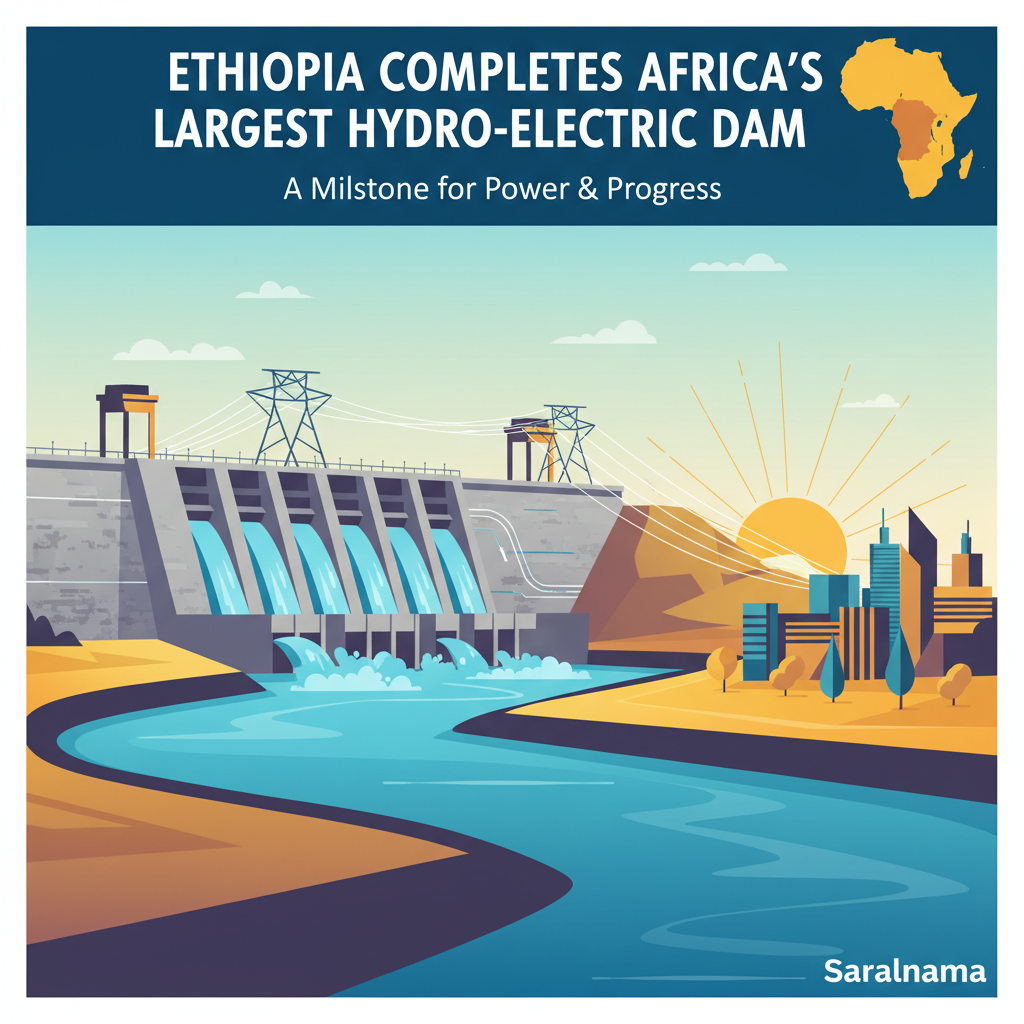
The Interplay of Energy, Governance, and Geopolitics in South Sudan
South Sudan remains among the least electrified nations on earth, with an estimated grid access rate for electricity of a mere 5.4% by a 2022 World Bank report and 8.4% IRENA report in 2023. This is among the lowest rates anywhere and is down from even lower in past years. Unreliable electricity is a root development constraint for over 11 million people, with approximately 70% of the population relying on traditional biomass fuels to satisfy their cooking and heating needs. Power that is available is expensive, carbon-based, and concentrated in and around the capital, Juba, where tariffs are among the regions highest at around $0.40 per kWh. The country's power mix has become 100% thermal, powered by imported diesel generators, a costly and environment-hostile tradition exacerbated by civil strife, hyperinflation, and insecure supply routes. The Government of South Sudan's pursuit of gargantuan power import schemes is therefore as much a technical or economic endeavor as a significant indicator of a country's capacity for development, a government's stability, and the nature of its foreign relations.
The bifurcation of the derailed Uganda agreement and the publicly stated Ethiopia agreement offers a new lens through which to study South Sudan's internal issues and its changing strategic foreign policy. It forces reflection on domestic failure's effect on foreign relations and how a government can use foreign pronouncements to generate an illusion of forwardness. To offer an introductory insight into the nation's energy dilemma, the next table presents an overview of major figures of the sector in question.
The Geopolitical Duality of Power in South Sudan: An Analysis of Regional Energy Initiatives
01 Sep 2026
Gallery